
Vigilante Morality and Unfinished History
City of GodThe closure man's attempt to complete history's unjust stories becomes a moral counterpoint to the novel's religious quest.
increasing Bearing strength in each event
 decreasing
Bearing strength in each eventdecreasingThe Reporter's Want of Closure
The Reporter's Want of Closure
Context
The ex-Times man has spent his career writing stories that never end: elections, wars, market cycles, trials without verdicts. The incompleteness of the news becomes an agony. He feels like a curator of stories that should have been completed but never were.
Significance
His frustration is existential. He has been trained to watch, never to act, and civilization has paid him for looking on. The desire to end a story with a just outcome becomes the seed of a monstrous vocation.
Consequences
He retires and begins to browse his paper's archives, searching for cases where death cheated justice.
The Moral Calculus of Evil
The Moral Calculus of Evil
Context
The ex-Times man assembles a list of killers who escaped trial: former S.S. sergeants, death squad colonels, administrators of slaughter. He imagines a Dantesque hell for them, complete with Satan's icy embrace and wormy waste. He calls himself the closure man.
Significance
His private hell is both a religious fantasy and a journalistic instinct. He wants to write the missing last paragraph with a body instead of a verdict. The conflict between his training and his resolve becomes the tension that will break open.
Consequences
He chooses his first target and flies to Cincinnati. He is armed not with certainty but with the weight of a lifetime of uncompleted stories.
Chance Against Intent
Chance Against Intent
Context
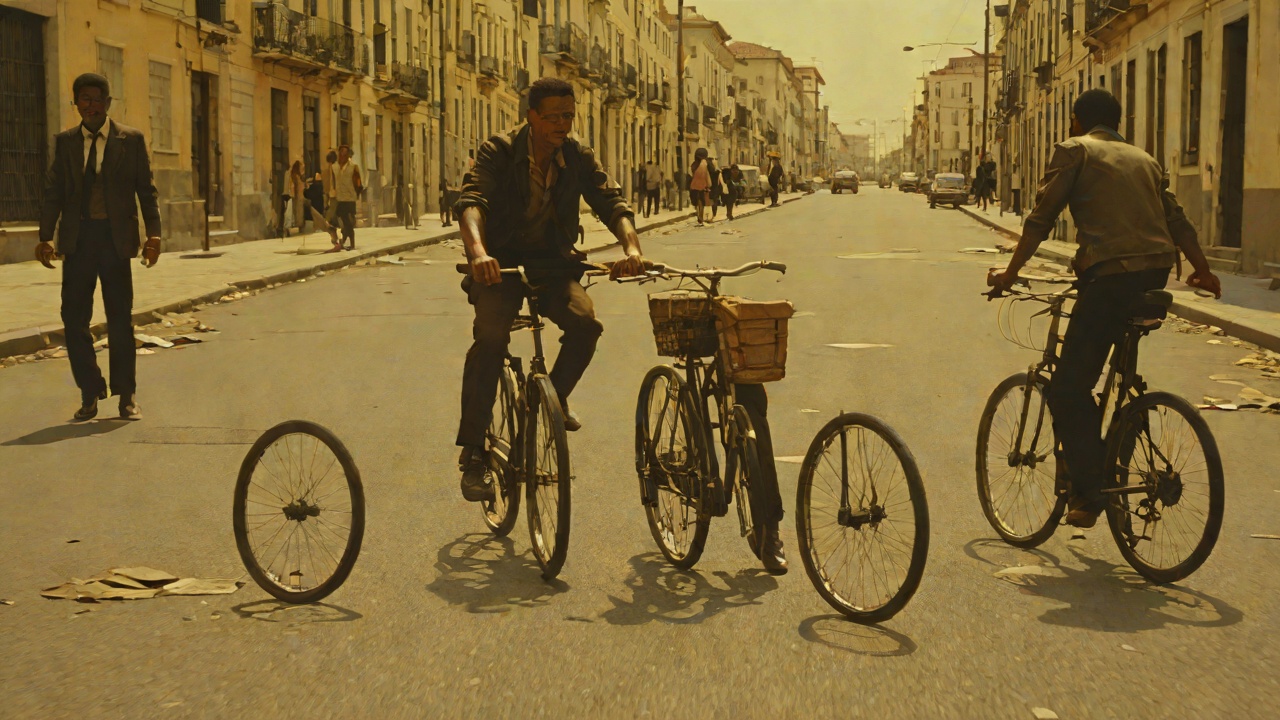
The ex-Times man loses control of his bicycle and kills the old Nazi without meaning to. He flees, then learns the victim was his target. He convinces himself that his body recognized the man and completed the mission unconsciously.
Significance
The accident exposes the irrationality of vigilante justice. There is no lawful beauty in the death, only contingency. Yet the ex-Times man chooses to reinterpret it as a bodily fulfillment of intent, a crossing-over into a new identity.
Consequences
He returns to New York transformed. The accidental killing has given him a sense of agency that forty years of journalism never provided.
The Farce of Retribution
The Farce of Retribution
Context
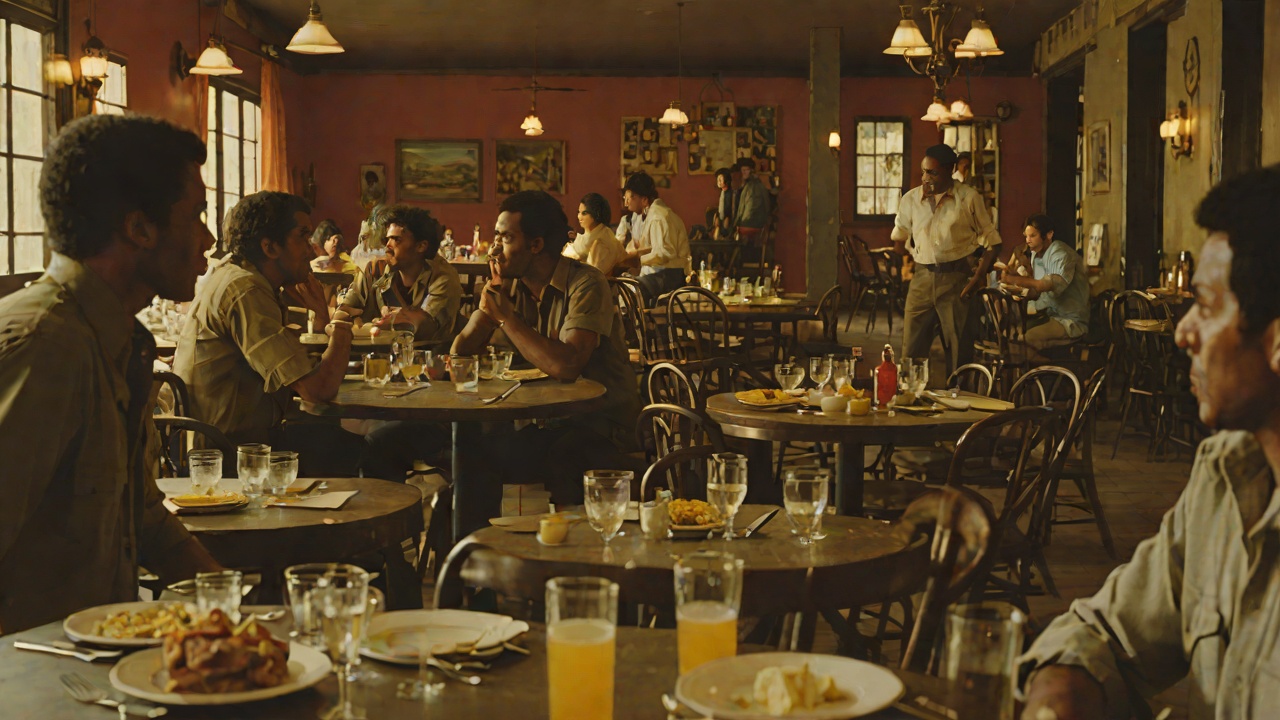
At a restaurant in Queens, the ex-Times man faces the Guatemalan colonel across a table. Two federal agents interrupt, the colonel mocks him, and the ex-Times man spits in his face. The colonel topples backward, cracks his skull, and dies. The would-be avenger flees without landing a planned blow.
Significance
The sequence is both horrifying and grotesque, a burlesque of moral vengeance. The closure man's violence is indistinguishable from accident. He reads of his own success in the newspaper, a spectator to his deeds as he once was to the news.
Consequences
The two accidental deaths confirm his new identity but also make a mockery of it. He is a killer without a gun, a transfiguration without transfiguring content.
History's Unfinishable Sentence
History's Unfinishable Sentence
Context
The ex-Times man moves through New York with a straighter back, sartorially renewed, sure of his calling. But his mind is filled with the different sounds of cracking skulls. He cannot tell whether he is a saint or a monster.
Significance
His story remains a fragment within the novel because closure itself is impossible. The attempt to end history's evil by one man's action only produces more absurd death. The narrative stands as a warning against the consolations of vigilantism.
Consequences
The closure man's story fades from the novel, unresolved, like the stories he used to edit. He is the negative image of Pem's patient, humble, and loving detective work.
during his final months at the newspaper
as he studies the files of unprosecuted war criminals
the afternoon of the Cincinnati bicycle collision
at the Queens mall restaurant where the colonel dies
at the end of his narrative, when the closure man walks the city in his new clothes
